
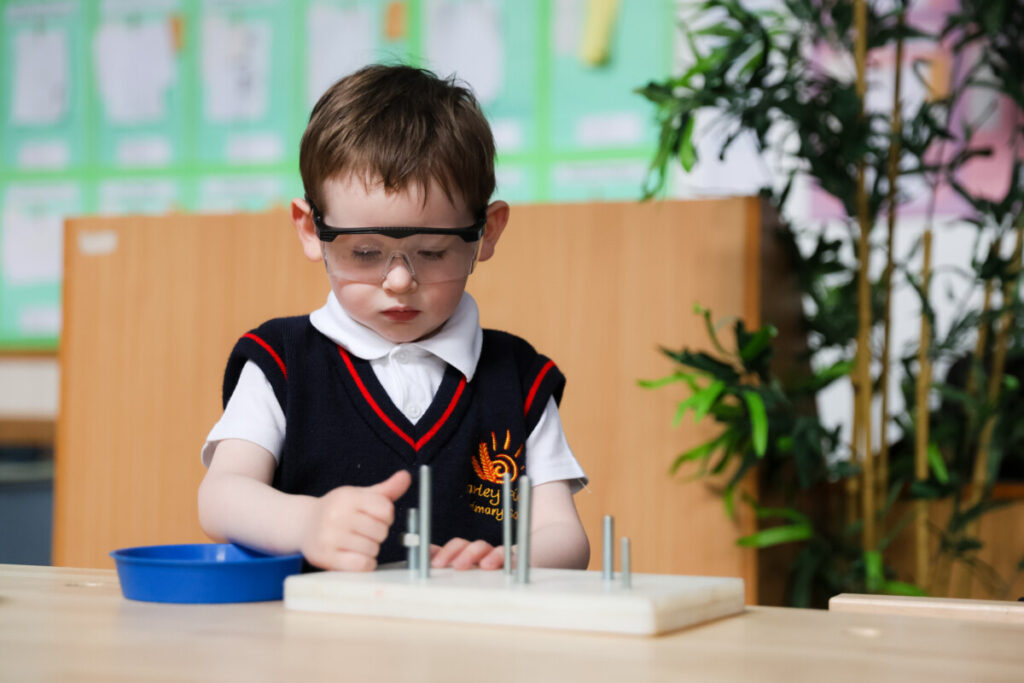
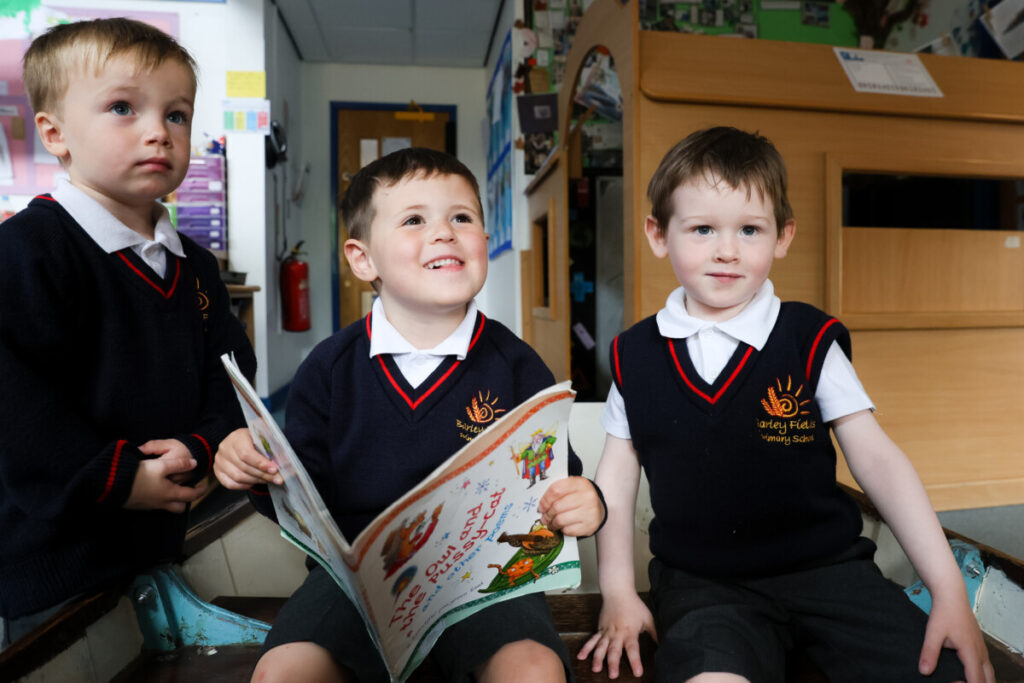
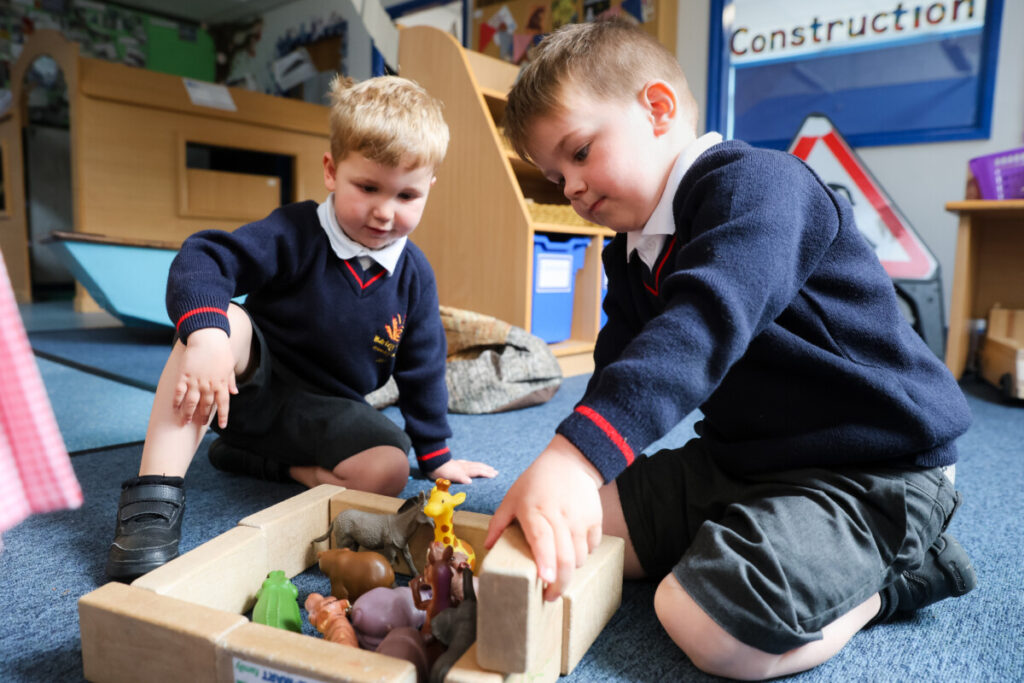
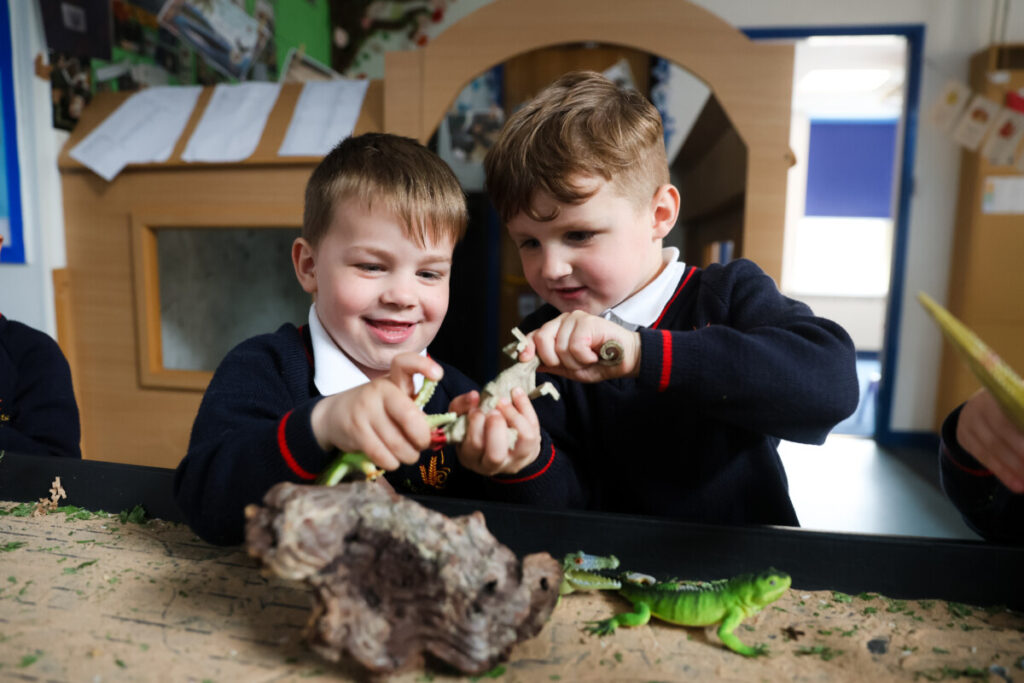

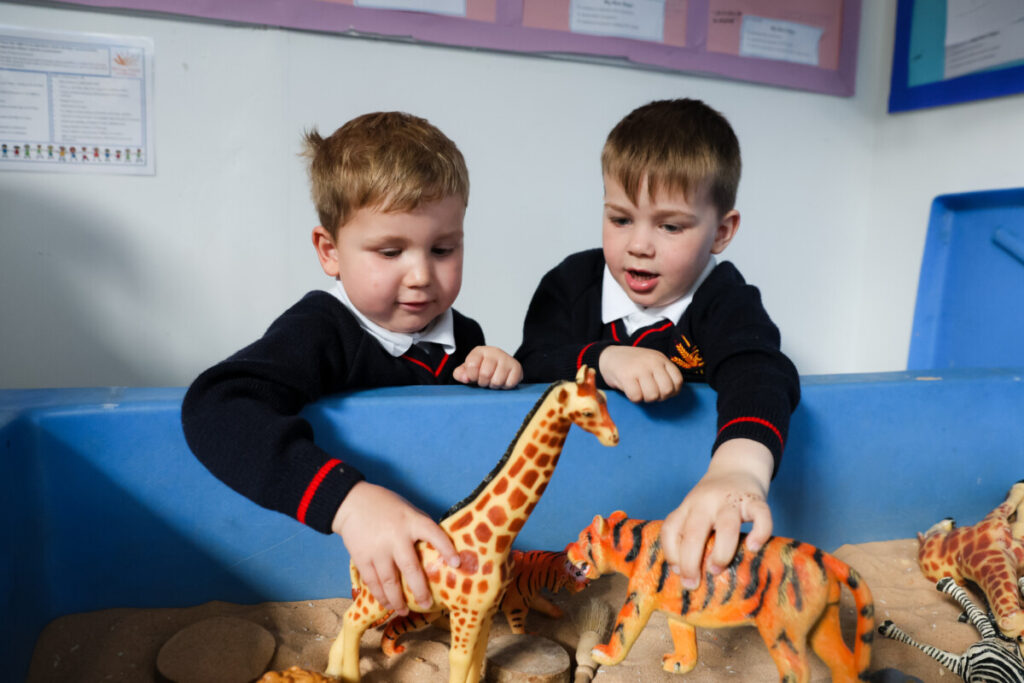
At Barley Fields Primary School, our Reception classes provide a warm, welcoming and nurturing environment where children begin their learning journey with confidence and curiosity. We are a three-form entry school and our Reception children are supported by highly skilled staff, ensuring every child receives the attention and care they need to thrive.
Our curriculum is linked to the Early Years Foundation Stage (EYFS), the national framework for children aged 3–5. Through a mix of play-based and structured learning, children develop key skills in communication, literacy, numeracy, personal, social and emotional development. We encourage exploration, creativity and independence, helping children build a strong foundation for their future learning across the school.
We work closely with parents to ensure a smooth transition into school life, providing guidance and support so every child feels happy, safe and ready to learn.
Daily Routine
Our Reception daily routine is carefully designed to provide a balance of learning and play, helping children feel safe, happy and ready to learn. Each day includes a mix of structured activities, independent exploration and opportunities for children to develop personal, social, emotional, physical, and academic skills. From morning activities and phonics sessions to outdoor play, creative learning and group story times, every part of the day is planned to encourage curiosity, independence and a love of learning.
Observational Assessment in Reception
At Barley Fields Primary, we use observational assessment in our Reception classes to understand each child’s learning, development and individual needs. This means our teachers carefully watch and listen to children as they play, explore and take part in activities. Observational assessment helps us to:
- Identify each child’s strengths and areas for support
- Plan activities that match their interests and developmental stage
- Monitor progress across all areas of the Early Years Foundation Stage (EYFS)
- Ensure every child receives the guidance and encouragement they need to thrive
We also share these observations with parents through regular updates, meetings and in our Seesaw learning journals, so you can see your child’s progress and celebrate their achievements together.
Reception Home Learning
We believe that learning doesn’t stop at the classroom door and parent partnerships are an integral part of our practice at Barley Fields. Our Reception home learning activities are designed to support and extend what children are learning at school, while also being fun and engaging. Home learning may include simple activities such as reading together, practising letters and numbers, creative tasks, or exploring the world around them. These activities help children develop key skills in literacy, numeracy, and personal, social and emotional development, while also encouraging curiosity and a love of learning.
We will provide guidance and resources for parents so that home learning is manageable, enjoyable, and meaningful. By working together, school and home can help every child build confidence, independence, and a strong foundation for future learning.
Our early years team create a weekly home learning sheet which links to current stories, themes and next steps. Often, the home learning sheets are accompanied by a supporting to video to ensure our families can get the most out of the activities. Parents can upload their responses onto the Seesaw learning platform. This feedback provides a valuable contribution to practitioner judgements and future planning. Please see below for a sample of our reception home learning activities.
Staff regularly create supporting videos to guide parents/carers on the completion of activities. They offer alternatives for adding more challenge or support which can be seen on Seesaw.
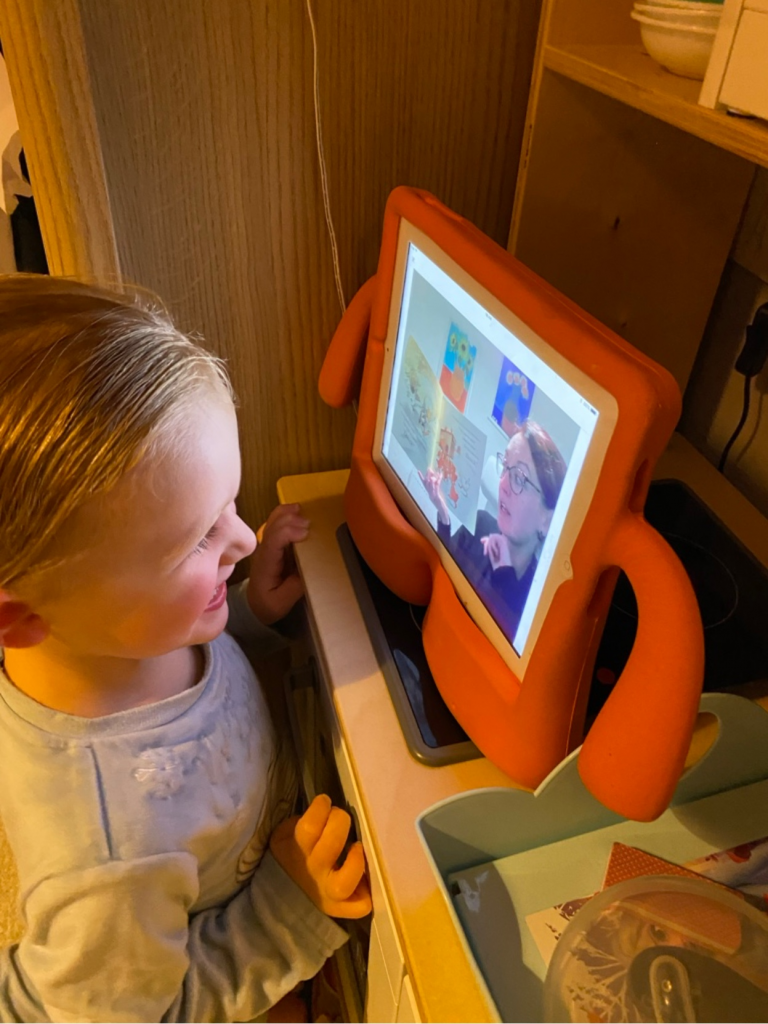
Share a Story
To support with the development of home reading routines, children begin the Reception year taking home a ‘Share a Story’ book. To supplement this, the early years team record a weekly ‘Share a Story’ video.
Parent Feedback
“I just wanted to share how much Annie LOVES share a story. She listens so intently as she watches the video and she responds to all the familiar parts! What a brilliant idea!”
Reading at Home in Reception
We believe that reading at home is an important part of your child’s learning journey. In Reception, children are encouraged to read regularly with an adult to develop confidence, fluency, and a love of books.
Home reading may include sharing story books, practising letter sounds, or exploring simple sentences in phonetically matched reading scheme books. These activities support the skills your child is learning in class, including phonics, vocabulary, comprehension, and listening skills.
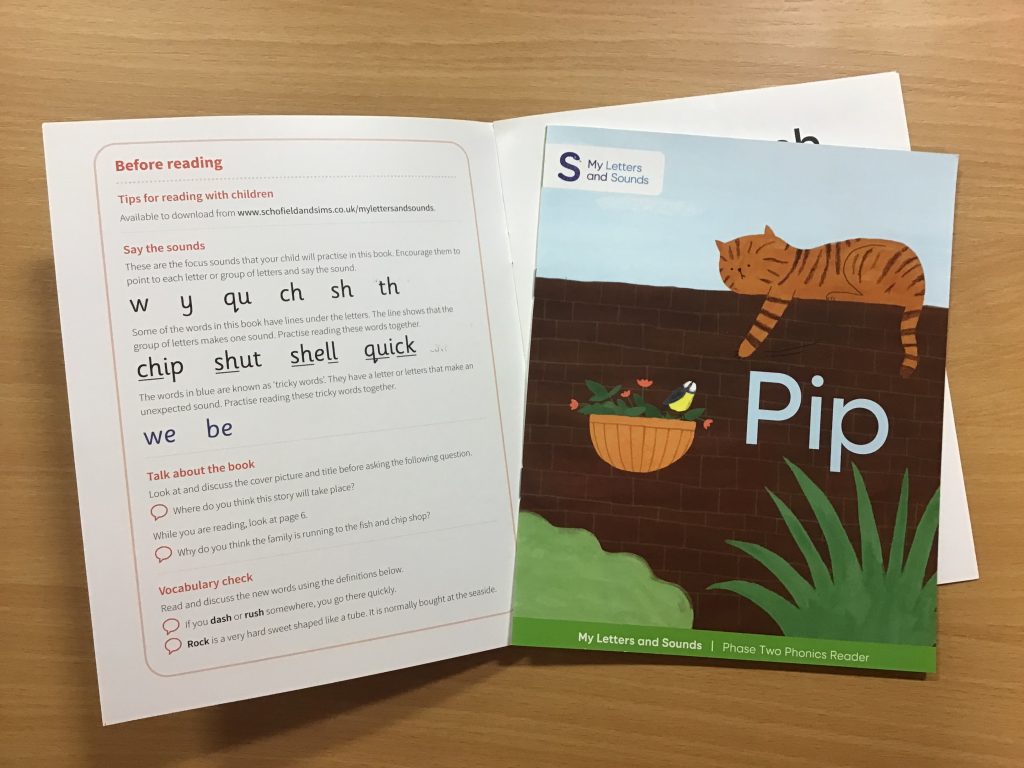
We provide guidance and resources for parents so that reading at home is enjoyable and manageable. By reading together regularly, you help your child build strong literacy skills and a lifelong love of reading.
Parent Workshops
We regularly host parent workshops designed to give you the knowledge, skills, and confidence to support your child’s learning at home. These workshops cover a variety of topics, from reading and phonics to mathematics, early writing and social development. They are also a great opportunity to meet other parents, ask questions, and share ideas with our staff.
By attending our workshops, you can play an active role in your child’s education and help them thrive both in school and at home.
Parent Feedback
“It was nice to see what the children are learning and whether my child is reaching expectations. I liked seeing the examples of work. It was so helpful to have examples of books and resources to use at home.”
“The workshop was really informative and it is great for parents to hear how their children are being taught and the methods used. If the children use the words like ‘Numicon, subitise, number line, whole part model, tens frame etc’ parents are able to extend learning at home using the same methods already understood by the child from school. Great workshop. Thanks.”
“It was lovely to see what the children have been doing in school and how they incorporate maths into their daily learning. I loved the idea about a ‘can do’ attitude and I will certainly be looking for the recommended books.”