
Our Intent – What we want for our children
At Barley Fields, our Geography curriculum inspires children to explore, understand and appreciate the world around them — from their local area to places further afield. We aim to nurture curious, thoughtful learners who can make sense of physical and human features, understand different cultures, and recognise the importance of sustainability.
Through fieldwork and enquiry-based learning, children investigate their local area of Teesside and the wider world, developing knowledge, skills, and a sense of identity. We want our pupils to leave Barley Fields as informed global citizens, aware of ecological issues and empowered to make positive change.
Our Implementation – How We Teach Geography
Our Geography curriculum is carefully structured to ensure children know more, remember more and do more as they progress through school. Learning is organised around four key strands:
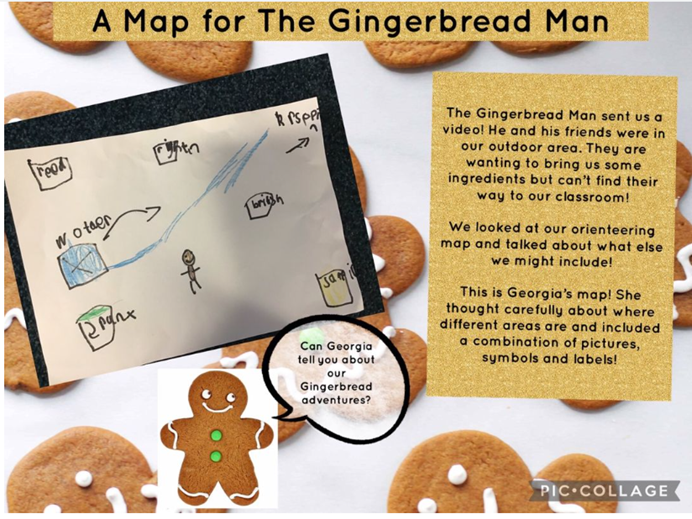
- Geographical Skills and Fieldwork
- Place Knowledge
- Locational Knowledge
- Human and Physical Geography
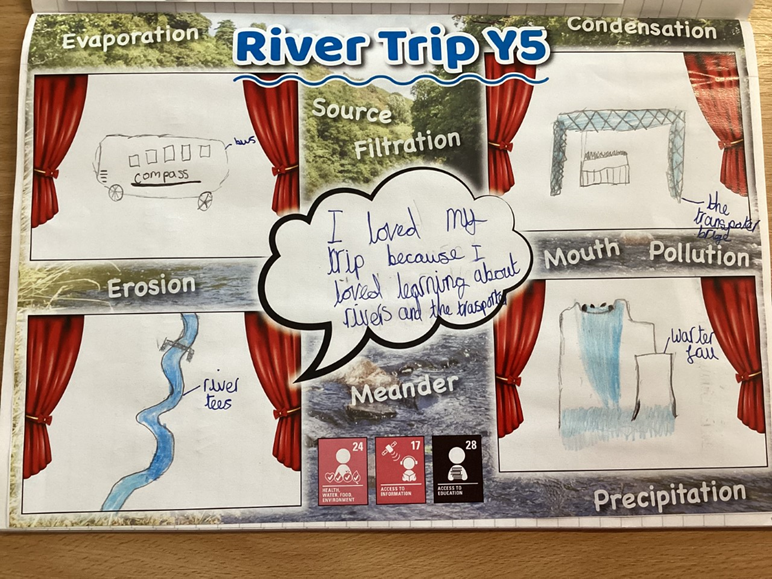
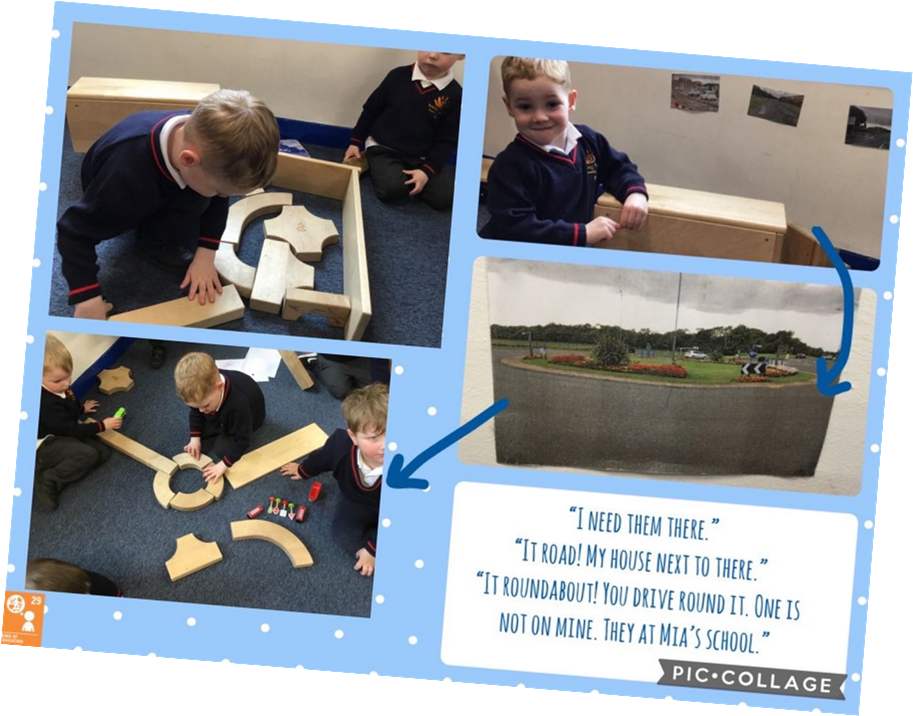
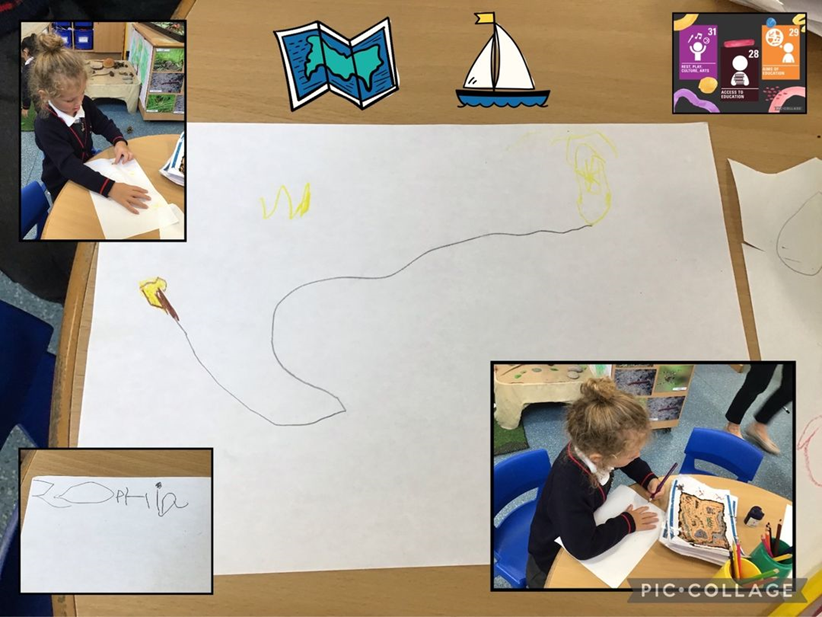
From Early Years, where children explore their immediate environment, to Key Stages 1 and 2, where they study local and global locations, children develop knowledge and skills through practical, enquiry-based lessons.
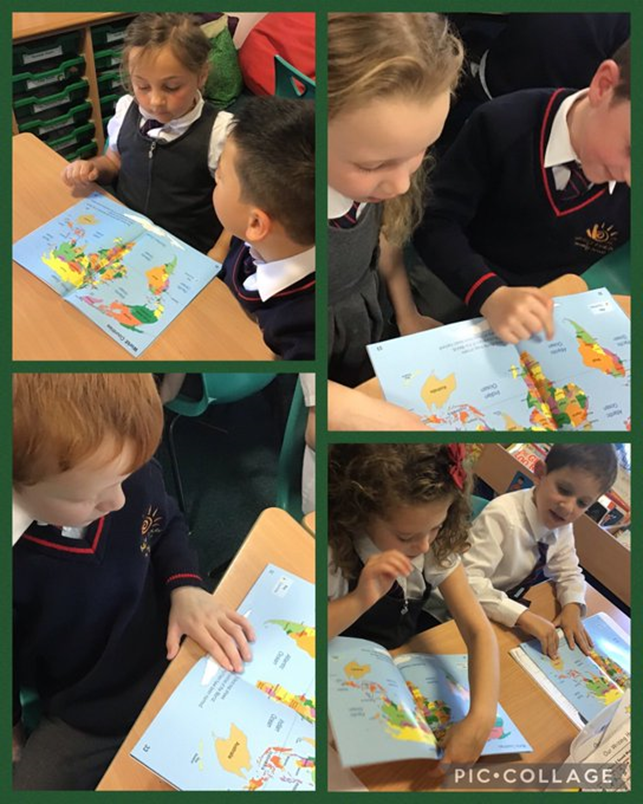
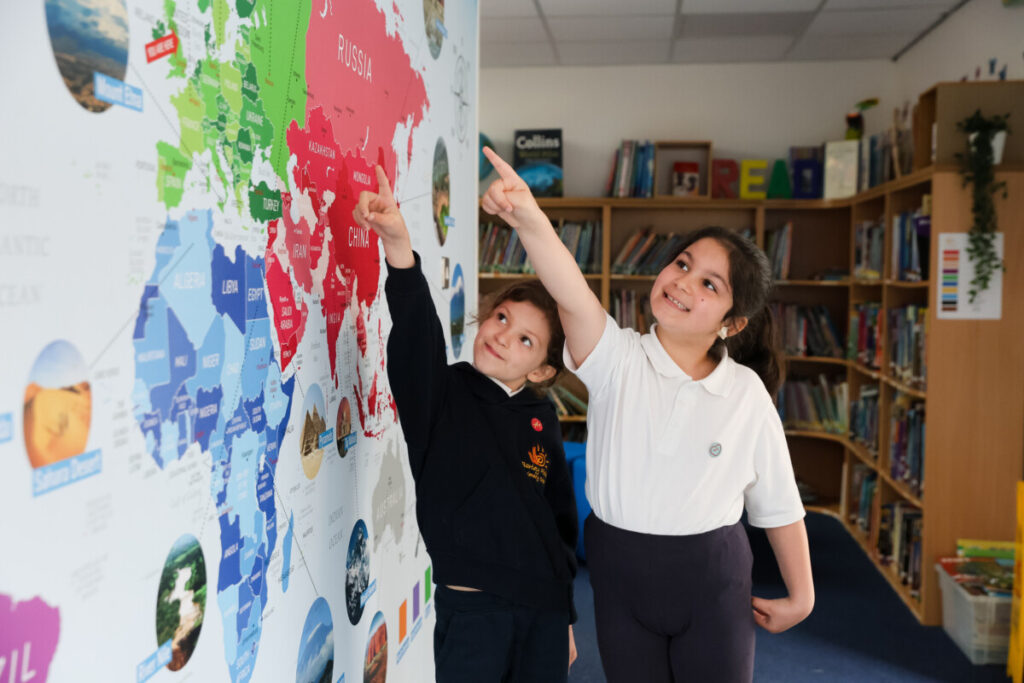
We use a wide range of resources, including maps, Google Earth, iPads, field trips, and hands-on investigations, to bring learning to life. Our curriculum is research-informed, regularly updated, and taught in blocks to allow deep exploration of each topic.
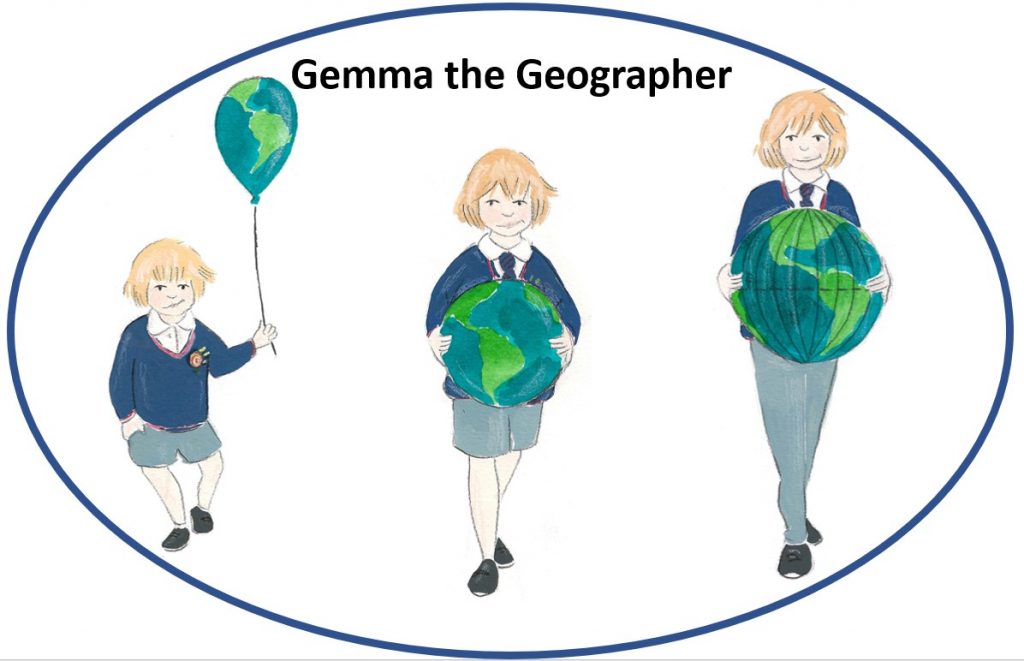
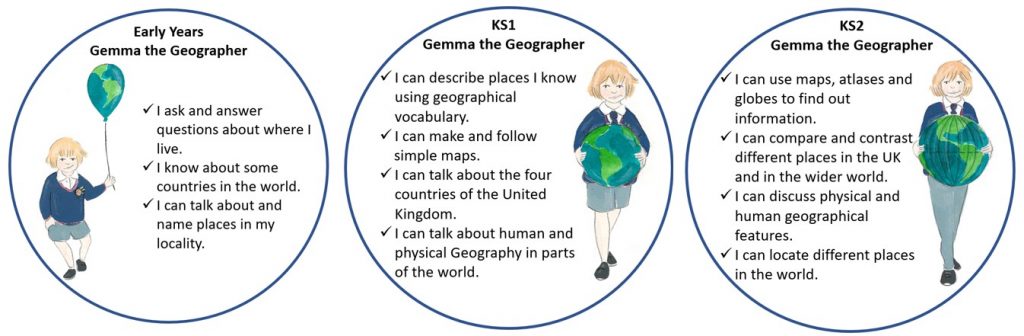
Our curriculum character, Gemma the Geographer, helps children reflect on the skills and knowledge they need to think and work like geographers.
Our Impact – the difference it makes.
Our Geography curriculum helps children understand the world and their place within it. Children leave Barley Fields with:
- Strong knowledge of places and their features
- Understanding of how human and physical environments are connected
- Ability to analyse information, reach conclusions, and explain findings
- Enthusiasm for enquiry and fieldwork
- Awareness of current geographical issues and environmental challenges
- Well-developed geographical vocabulary and skills
We measure success through classroom learning, pupil voice, curriculum floor books, and monitoring by the Geography Team. By the end of their primary education, children are confident, curious, and equipped to engage with local and global issues as responsible citizens.